Last updated: April 2026 · AnomixLabs Tech Team
Poorly planned projects fail not due to software quality, but due to unclear scope and misaligned expectations. Good planning resolves most issues before development even begins.
Why Project Planning is Critical
The most frequent reasons for project failure in AnomixLabs' experience:
- Unclear scope — the pressure to 'add this too' (scope creep)
- Inaccurate time estimates — the 'it'll be done in two weeks' fallacy
- Insufficient user research — the feature built isn't used
- Technical debt accumulation — cutting corners for speed, and the price paid later
- Communication breakdowns — the client imagined one thing, the developer built another
The vast majority of these can be prevented with a solid planning process.
Step 1: Discovery — Understanding the Project
Questions to answer before starting development:
- Who is the user? What is their technical proficiency?
- What is the exact problem to be solved?
- How will success be measured? (KPIs)
- Are there similar solutions? What's the differentiator?
- Are there technical constraints? (existing system integration, API limits)
- What are the budget and time constraints?
The answers to these questions form the definition document. Projects started without a definition document are almost always delivered late or abandoned halfway.
Step 2: User Story Mapping
User stories define features from the user's perspective:
Format: As a [user role], I want to [perform an action]
         so that [I can achieve a benefit].

Example:
  'As a shopper, I want to filter products by price
   so that I can quickly find options within my budget.'

  'As an administrator, I want to see the status of orders in real-time
   so that I can respond quickly to customer inquiries.'
In user story mapping, all stories are first listed, then prioritized. For an MVP, only 'must-have' stories are selected.
Step 3: Visualize with Wireframes
A wireframe is the visual skeleton of the project — structure, not design. They can be quickly created with Figma or FigJam:
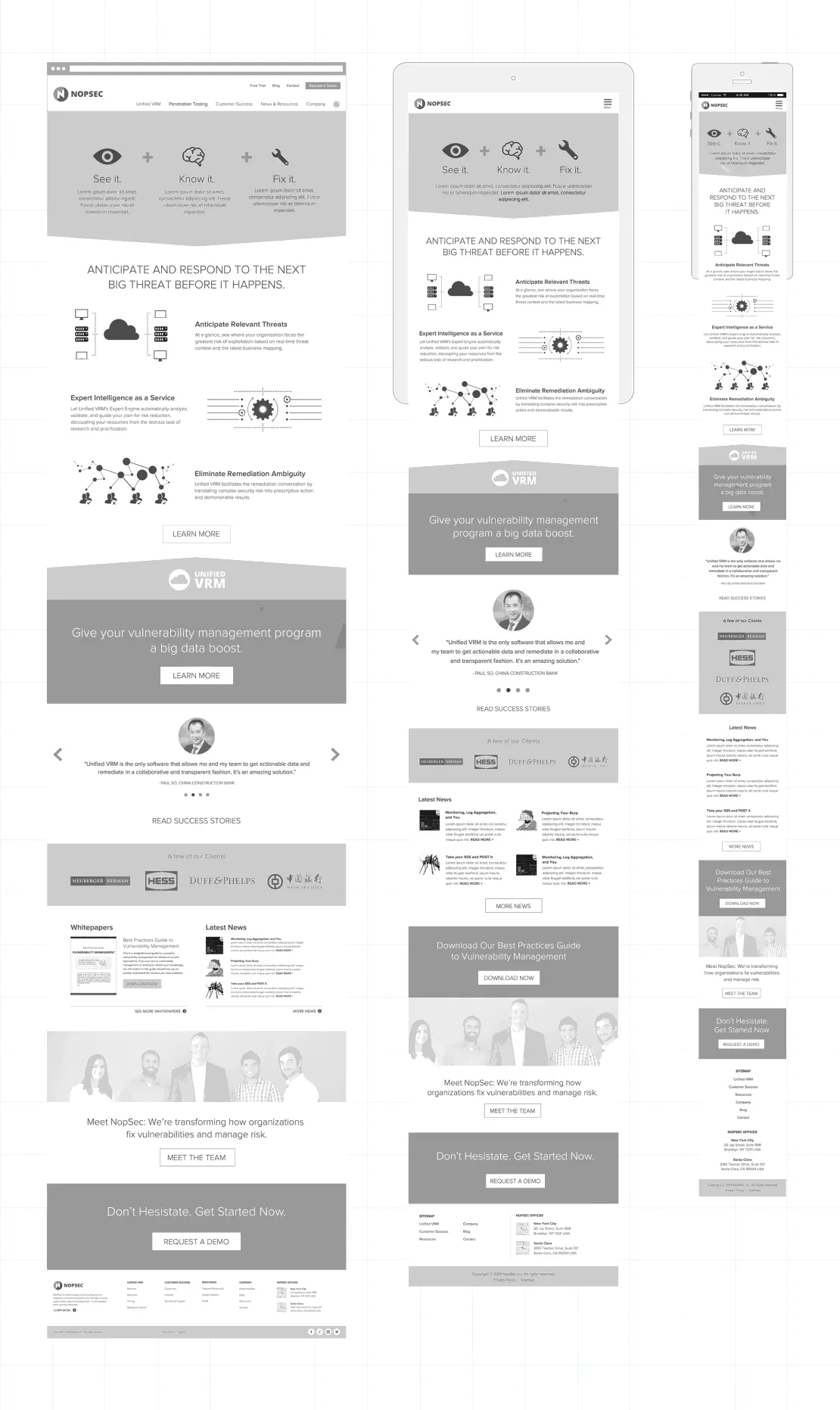
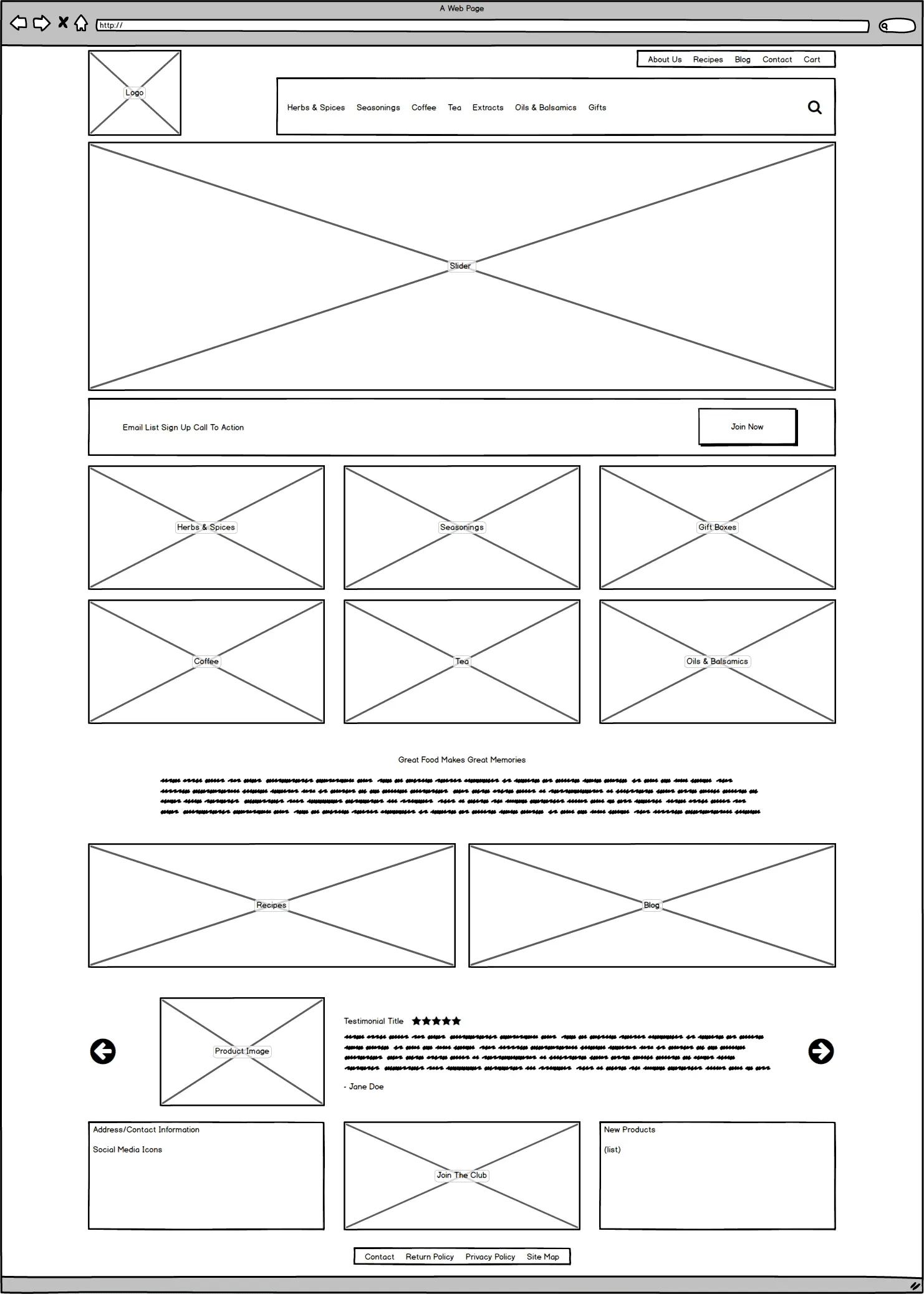
- Lo-fi wireframe: Box and text placement — in hours
- Hi-fi prototype: Clickable, near-realistic — in days
- Alternatives: Excalidraw (free, browser-based), Balsamiq
Wireframes concretely show the client 'what will be built' and catch misunderstandings before development starts. AnomixLabs experience: 40% of client requests change after wireframing — delivering these changes after coding is 3-5x more expensive.
Step 4: Technical Architecture Decision
Technology choices should be based on project requirements, not habit:
- Content-heavy site: Django + PostgreSQL — robust admin, ORM, auth
- API-heavy SPA: Django REST Framework + React/Vue
- High-traffic API: FastAPI + async database
- Simple showcase site: Consider no-code (Webflow, Framer)
- E-commerce MVP: Consider Shopify — may not need custom development
Step 5: Realistic Time Estimation with PERT
PERT (Program Evaluation and Review Technique) uses three scenarios for more realistic time estimation:
PERT Formula:
  Estimated Time = (Optimistic + 4×Most Likely + Pessimistic) / 6

Example — User login module:
  Optimistic:   2 days (if everything goes smoothly)
  Most Likely:  4 days (under normal conditions)
  Pessimistic: 10 days (if OAuth integration causes issues)

  PERT Estimate = (2 + 4×4 + 10) / 6 = 4.67 days ≈ 5 days

Buffer rule: add 20-30% of the total estimate as buffer.
Developer estimates are always optimistic — PERT is designed to balance this bias. A practical rule for inexperienced teams is to multiply estimates by 2.
Scope Creep: The Biggest Project Killer
Scope creep is the continuous addition of new features beyond the defined scope. The true cost:
- Every 'small addition' incurs development, testing, and deployment costs
- Context switching reduces developer productivity by 20-40%
- Late changes lead to exponential technical debt
Prevention method: Get sign-off on the definition document. Freely use the phrase 'This is out of scope, let's open a Change Request'. Price scope changes as new tasks, don't bundle them into the existing project.
MVP vs. Full Project
MVP (Minimum Viable Product) is the version with the fewest features that still delivers value to the user:
- MVP cost: 20-30% of the full project, delivered in 4-8 weeks
- Full project: 3-12 months, high budget, long feedback loop
- MVP advantage: Early user feedback, opportunity to pivot, cash flow
AnomixLabs recommendation: start with an MVP, especially for projects requiring new product or market validation. 64% of features written without users go unused (Standish Group Chaos Report).
No-Code Alternatives
Not every project requires code — by 2026, no-code tools have reached significant capabilities:
- Webflow: Complex, responsive sites — developer-free CMS
- Framer: Designer-focused, strong on animations
- Bubble: Full-stack web app logic — database, user management, workflows
- Notion + Super.so: For content-focused sites
Criteria for choosing no-code: the project doesn't require unique business logic, scalability isn't a major concern, and speed is a priority.
Agile for Small Teams
For a team of 2-5 people, full Scrum ceremonies often create overhead. Lightweight agile suggestions:
- 2-week sprints — limits commit count, makes progress visible
- 30-min planning at sprint start, 30-min retrospective at end
- Kanban board (GitHub Projects, Linear, Trello) — To Do / In Progress / Done
- Daily stand-up: 15 minutes, can be asynchronous (Slack message)
Definition Document Template
1. Project Name and Date
2. Problem Statement (1 paragraph)
3. Target Users
4. Success Criteria (KPIs)
5. Scope Inclusions (bullet list)
6. Scope Exclusions (clear list — very important)
7. Technical Requirements and Constraints
8. Wireframe Links
9. Timeline and Delivery Schedule
10. Signatures / Approval
Summary
Good project planning involves five steps: discovery (understand the project), user story mapping (feature prioritization), wireframing (visualization), PERT estimation (realistic timelines), and a definition document (scope lock-down). These steps don't shorten development time — but they dramatically reduce the probability of failure.
Frequently Questions
How should I communicate with a non-technical client? expand_more
How long does wireframing take to complete? expand_more
What is the typical cost difference between MVP and full project? expand_more
Is Agile appropriate for a small team? expand_more
When does technical debt become a problem? expand_more
Should I work in phases or deliver the whole project at once? expand_more
How do I resolve a dispute with a client? expand_more
Ali Kasımoğlu
Full-stack Developer & Founder of AnomixLabs
A software developer specializing in the Python and Django ecosystem. Focuses on modern web architectures, AI integrations, and minimalist user experiences. Under the AnomixLabs umbrella, he aims to transform complex problems into lean and effective digital solutions.